
The Forgotten Food Storage Methods That Kept Whole Nations Fed Without Refrigeration
And 126 Superfoods You Can Store For Years — Explained Step by Step in The Lost Superfoods
 Video
▶ RELATED WATCHING: LONG-TERM FOOD STORAGE TECHNIQUES
Video
▶ RELATED WATCHING: LONG-TERM FOOD STORAGE TECHNIQUES
Third-party video, shown for general context — not official Lost Superfoods media.
🔒 Secure checkout via ClickBank · 🔁 60-day refund window · 📥 Instant digital download
Of What You'll Find Inside The Lost Superfoods
It contains 126 long-storage foods and preservation methods, organized so clearly that anyone — even with zero prior canning or cooking experience — can put them to use.
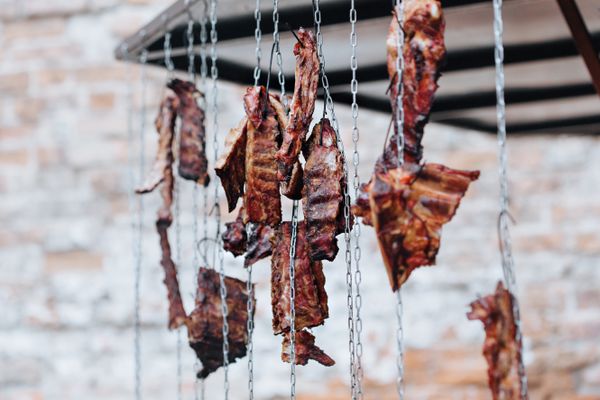
A Home-Cured, Shelf-Stable Meat Method
A drying-and-curing approach that needs no refrigeration and can keep protein-dense meat edible for months in a cool, dry pantry — the same idea that fed armies before refrigeration existed.
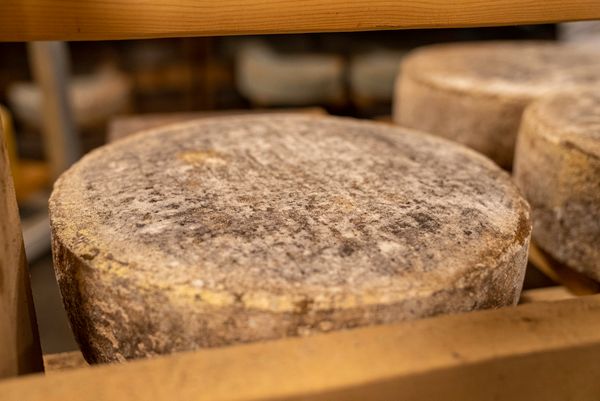
Room-Temperature Cheese Storage
A centuries-old wax-and-wrap technique for keeping a hard cheese wheel edible for a year or more, without ever touching a refrigerator.
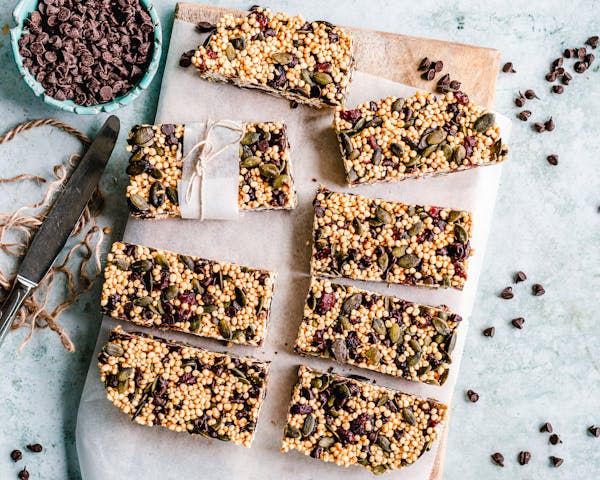
A Low-Cost, High-Calorie Ration Bar
A DIY bar built for calorie density per ounce — around 2,400 calories per serving — useful for a bug-out bag or any pantry shelf where space is tight.

Long-Lasting Bread With Four Pantry Staples
A simple flatbread method — developed out of necessity generations ago — that keeps for weeks without refrigeration and needs no yeast or refined ingredients.

Egg Preservation For Up To A Year
A wartime-era coating method that kept stored eggs usable for months when regular supply chains broke down — one of the more surprising entries in the guide.

A Dehydrated Soup Built For The Trail
A compact, lightweight soup base that rehydrates in minutes and travels well in a coat pocket or pack — inspired by a recipe carried on a famous two-year expedition.

Plus 120 More Entries
Covering fermentation, root-cellar storage, canning safety, fat rendering, wild-edible basics, and a full nutrition breakdown for every single recipe in the book.
Two Companion Guides Ship With It

An Underground, Year-Round Backyard Greenhouse
Plans for a low-cost, partly buried growing space designed to keep producing food across multiple seasons — even through a cold winter.
Self-Sufficiency Projects From A Century Ago
Simple, low-tech projects — water filtering, root cellars, basic smokehouses — inspired by homesteads that ran without electricity.
If It's Not Useful, Send It Back
The guide is sold through ClickBank, an established digital retailer that handles checkout and refunds directly. If The Lost Superfoods isn't a fit for your pantry, you can request a refund within 60 days of purchase — no questions asked.
One-time payment · Instant digital access
Common Themes From Reader Feedback
Rather than cherry-picking quotes, here's an honest summary of what people most often mention appreciating about the guide.
Clear, Step-By-Step Instructions
Beginners often note that each method is broken into plain, followable steps rather than vague general advice.
Budget-Friendly Approach
Many readers mention the focus on inexpensive, everyday ingredients instead of specialty survival-food products.
Genuinely Interesting History
The historical background behind each food is frequently mentioned as making the guide more engaging to read cover to cover.
Build The Kind Of Pantry That Doesn't Depend On The Grid
Click below to get instant access to The Lost Superfoods and both bonus guides, backed by a 60-day refund window through ClickBank.
Before You Decide
Is this a physical book?+
No — it's delivered as a downloadable digital guide (PDF) that you can read on a phone, tablet, or computer, or print at home.
Do I need prior canning or cooking experience?+
No. The guide is written for beginners, with plain steps and photos for each method.
Who handles the purchase and refunds?+
ClickBank, the retailer, processes the order and any refund requests. AffilyLink is an independent review site and does not process payments.